The Shave
After the house, after the sorting, after the boxes, after the carrying, the face came forward again. Not dressed up. Not transformed. Simply brought back into line. The shave belonged to the same moral world as the cleanup: not destruction, not escape, but the removal of what had accumulated so the underlying form could be seen clearly once more.
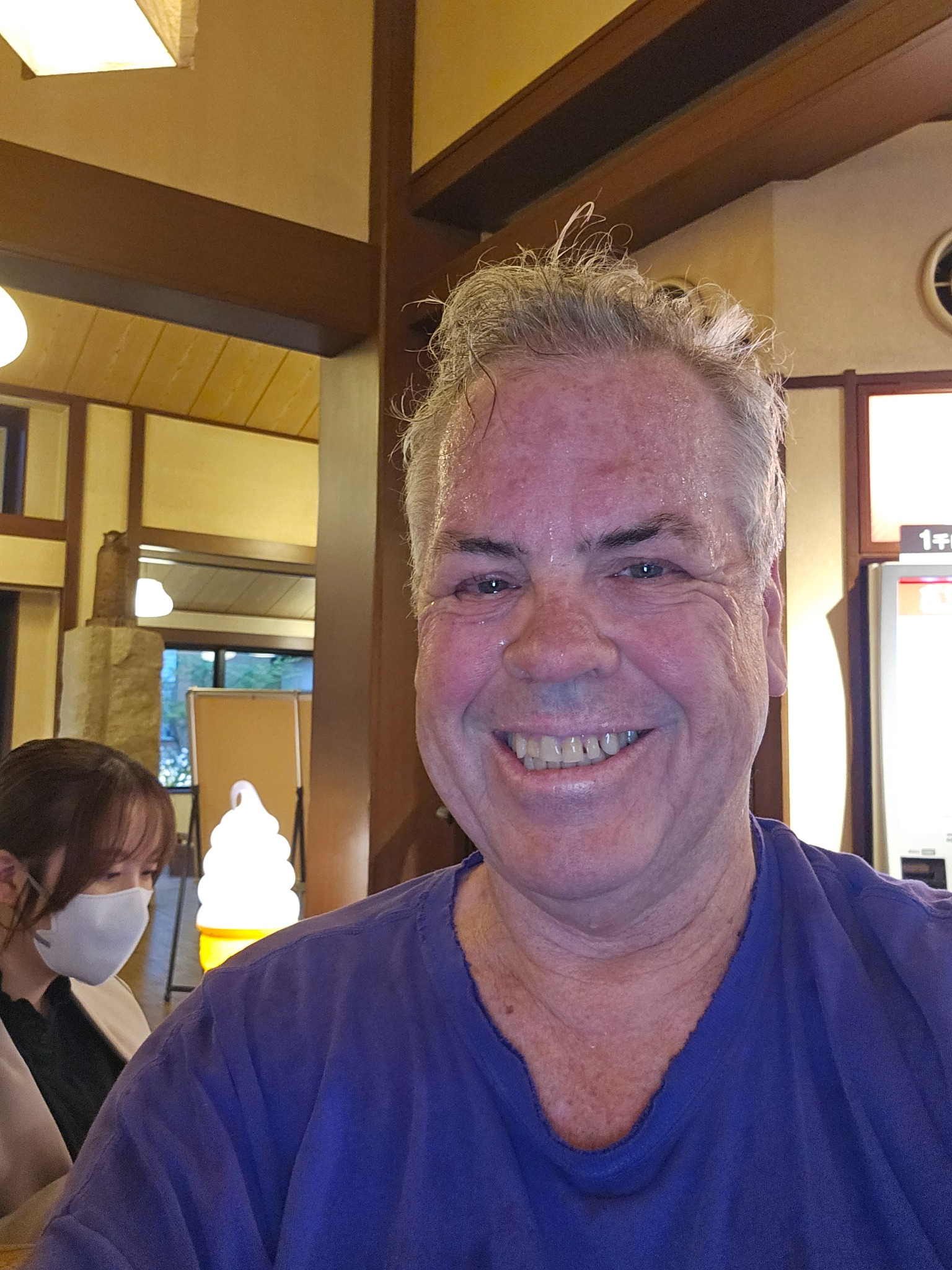
Work leaves a face behind it. Dust, fatigue, days without vanity, the roughness that comes when the body has been occupied by heavier questions than appearance. Old houses do that. They shift the scale of what matters. A person begins by thinking about the house and ends by noticing, almost with surprise, what the house has done to the body carrying it. The shave belongs to that moment of noticing.
Nothing theatrical happened. No revelation, no costume change, no sentimental rebirth. Water, blade, mirror, steam, light, and the strange quiet that comes when the body is finally allowed to finish one small task cleanly. After the rooms of Hanasaki had demanded labels, patience, lifting, tape, and the acceptance of imperfect preservation, the face asked for its own version of the same ethic: remove what no longer belongs there, and do it carefully enough not to damage what remains.
The shave did not create a new self.
It revealed the line that had survived the work.
Cleanup had already taught the family that care is not the same thing as keeping every layer intact. Sometimes care means taking away what has accumulated so the underlying shape can breathe again.
The Face After Work
A face after difficult work carries its own weather. It holds fatigue, focus, neglect of the lesser self, and the temporary coarsening that comes when practical tasks have been allowed to outrank polish. There is dignity in that state, but there is no reason to remain there forever. At a certain point the face wants finishing, just as a room wants sweeping after sorting.
The shave did not oppose the work in Hanasaki. It continued the work by another means. The house had already required the family to distinguish between preservation and refusal, between sentiment and competent care. The mirror asked for the same distinction in smaller form. Roughness was not authenticity. It was residue.
Once that became clear, the shave stopped being vanity and became alignment.
Mantenoyu at Night
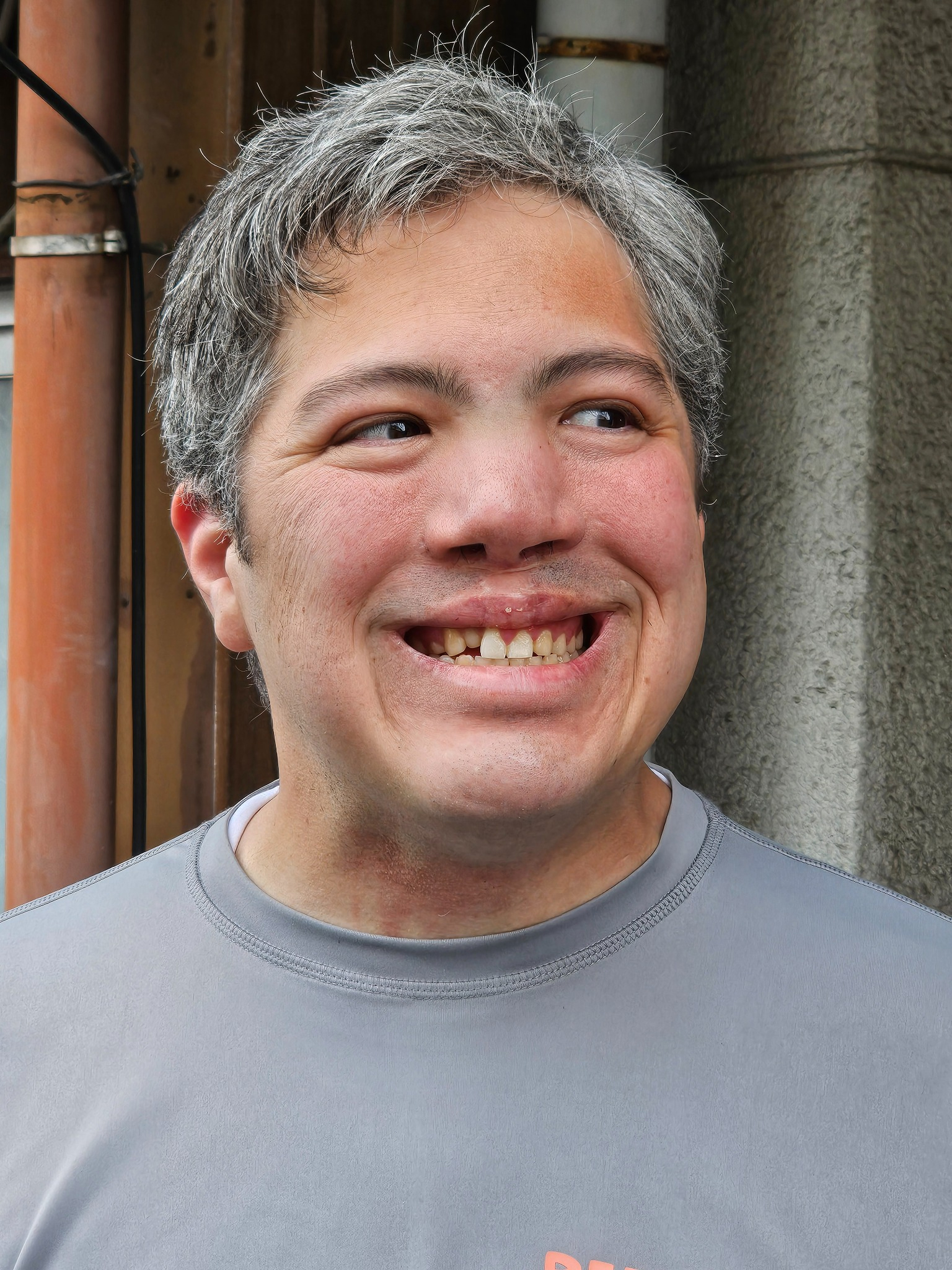
Night helped. So did rain. So did the parking lot and the ordinary, almost unceremonious surroundings of a place not pretending to be sacred. Too much beauty would have ruined the chapter. It needed fluorescent edges, wet pavement, practical light, and the feeling of arriving somewhere after work rather than before revelation.
Mantenoyu gave the shave the right scale. Not grand. Not symbolic in an inflated way. Just a place where a person could stop carrying rooms for an hour and let hot water, glass, mirror, and habit take over. The bathhouse exterior, the rain-dark lot, the carp streamers overhead — all of it placed the finishing gesture back inside ordinary Japan, where dignity often arrives through maintenance rather than display.
The old house had already been teaching that grace survives best when it stays close to use. The shave belonged to that same world.

The Road, the Station, the Local World
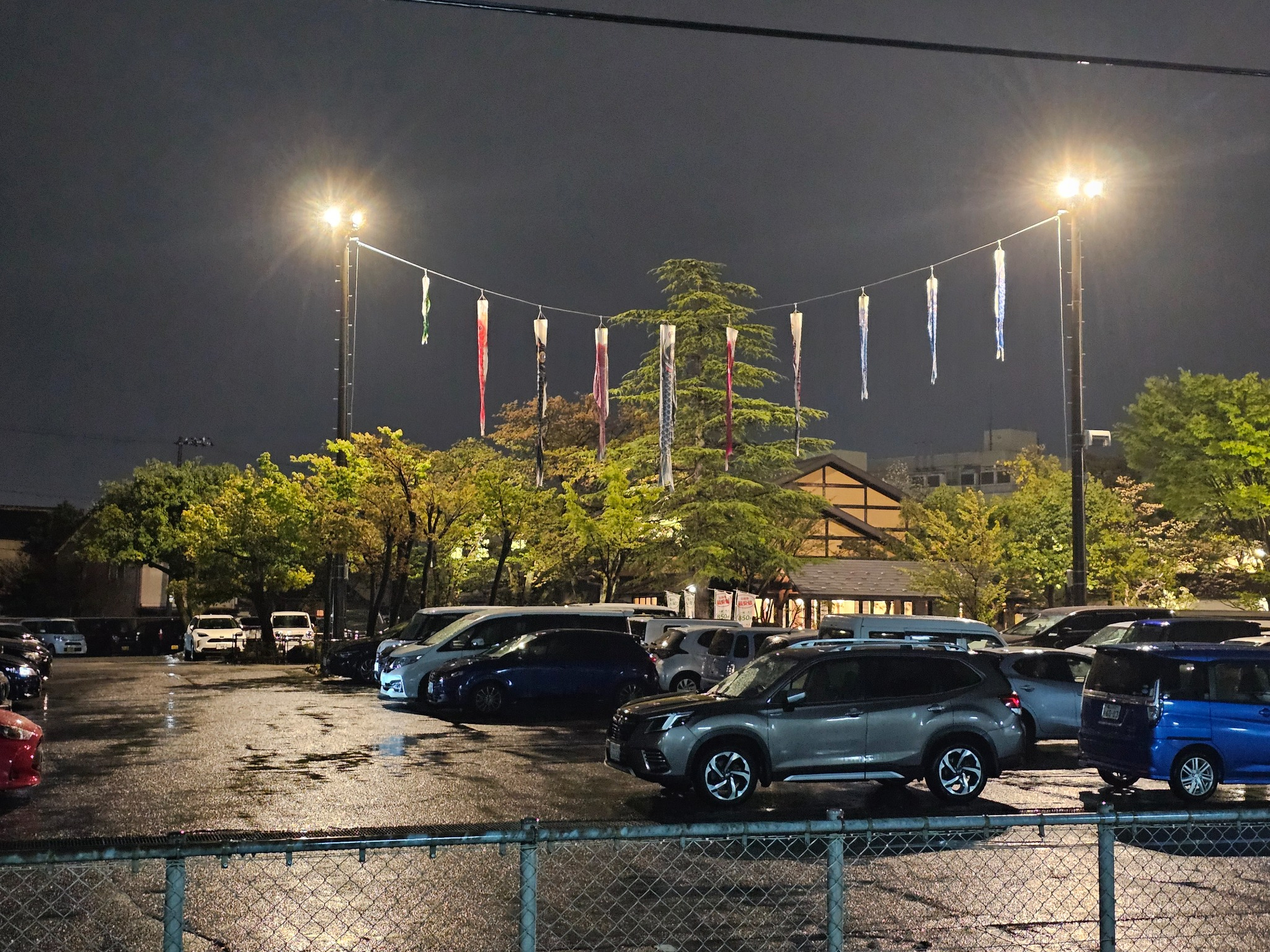
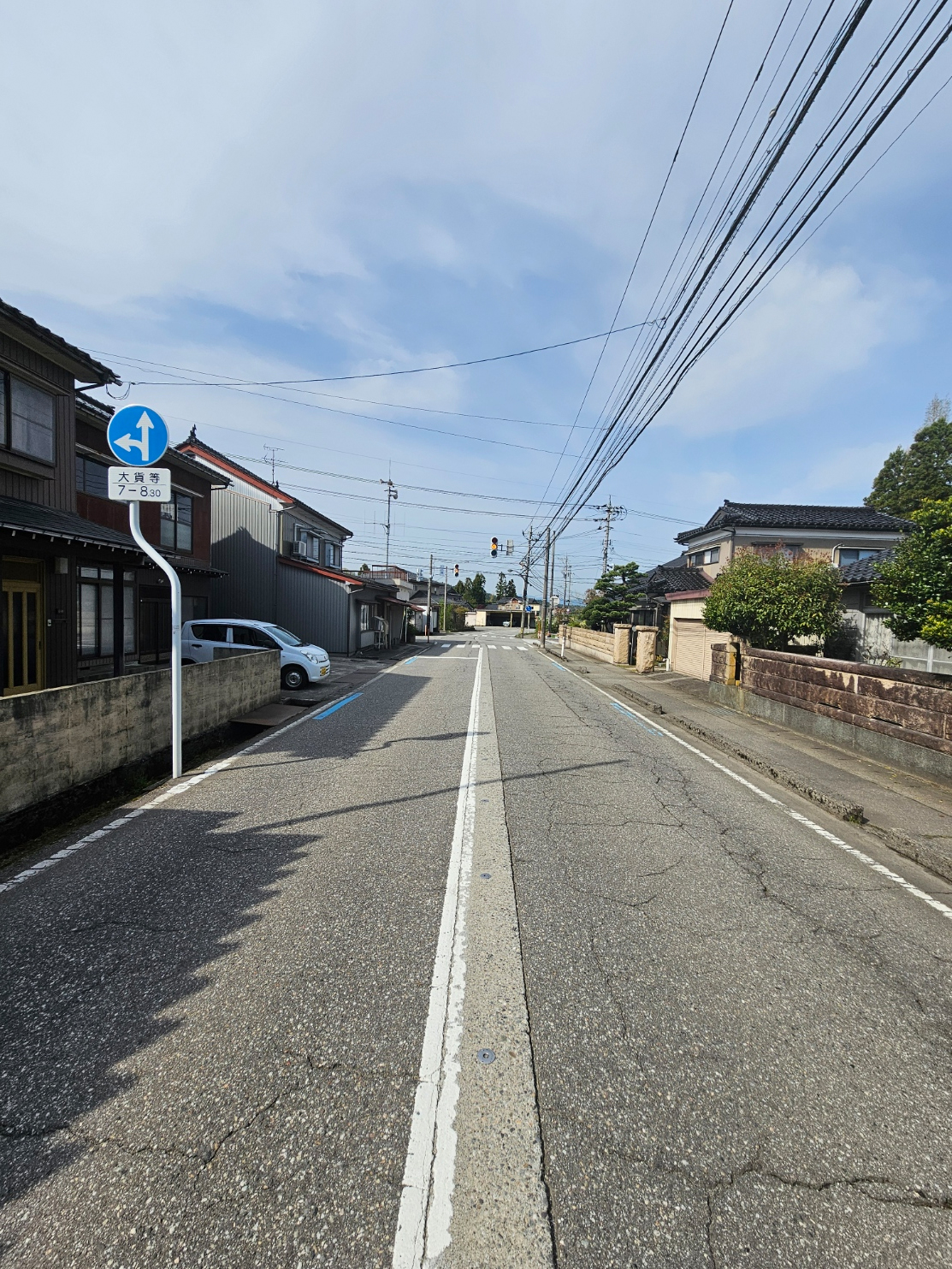
Finishing never happens in abstraction. It happens somewhere: along a road, under station lights, in the rhythm of a local town that continues whether a family has solved its history or not. The road and station keep the shave from drifting upward into symbol. They bring it back to place.
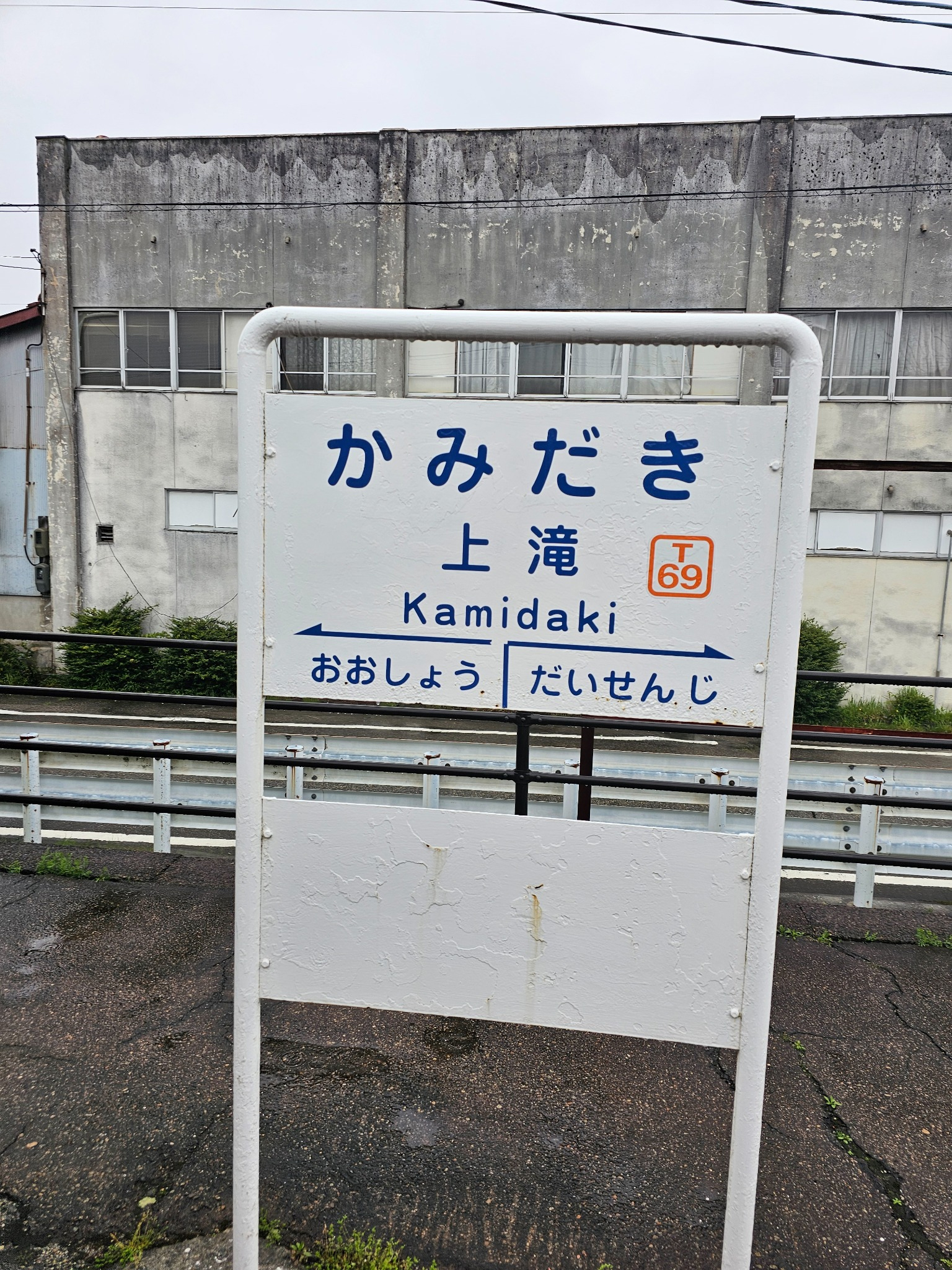
The road keeps the chapter honest. The station sign keeps it local. The after-portrait keeps it human. Together they say the same thing without saying it loudly: the work was real, the place was real, and the finishing had to happen inside that reality rather than above it.
A shave can become false very quickly if it tries to mean too much. Here it means only what it should: enough.
What Finishing Means
Finishing is not the same thing as beautifying. Beautifying can be evasive. Finishing, done honestly, is a way of acknowledging that the work has altered the surface and that the surface now deserves care of its own. A room after sorting needs sweeping. A packed object needs wrapping. A face after labor needs a shave. None of these actions deny what came before them. They complete it.
The old house had already taught the family that the right response to history is not to freeze everything at the moment of greatest emotional charge. History has to be carried forward in forms the living body can still sustain. The shave belongs to that lesson. It does not erase difficulty. It makes difficulty wearable again.
The mirror after the blade shows no triumph. It shows readiness. The work is still there. The rooms are still there. The burden is still there. But the line has returned, and with it the quiet evidence that finishing is one form of staying in the task rather than fleeing it.
The house had already asked for boxes, tape, patience, and strength. The shave asked for one last honest thing: clear the surface, keep the line, and do not confuse roughness with truth.