Snow, Damp, Fire, and Mice
Before the kura became beautiful to later eyes, it was necessary to harder minds. It was built because weather comes, because moisture creeps, because flame travels, because small animals find openings, and because households that do not protect what matters eventually discover that memory alone is too thin a wall.
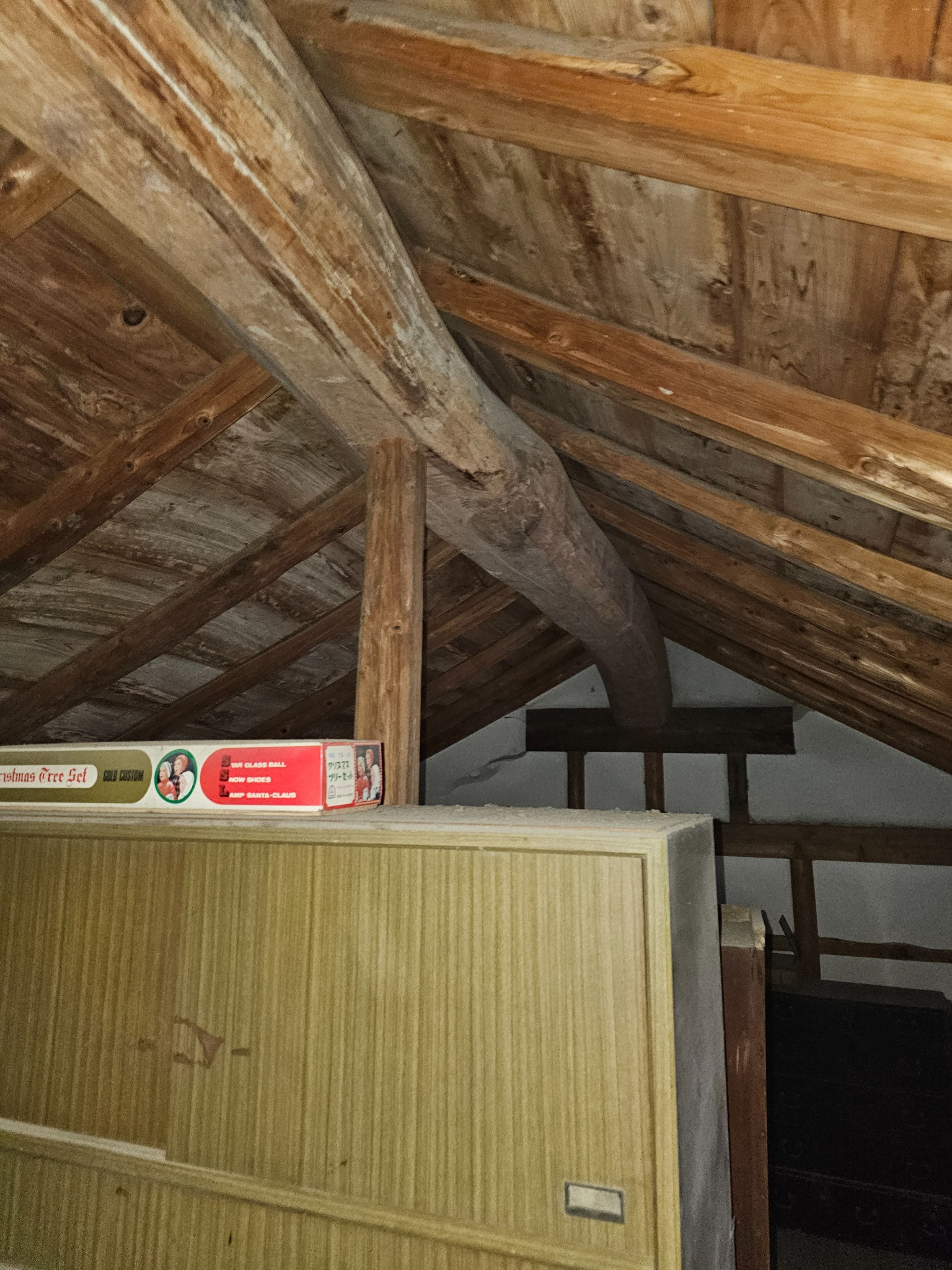
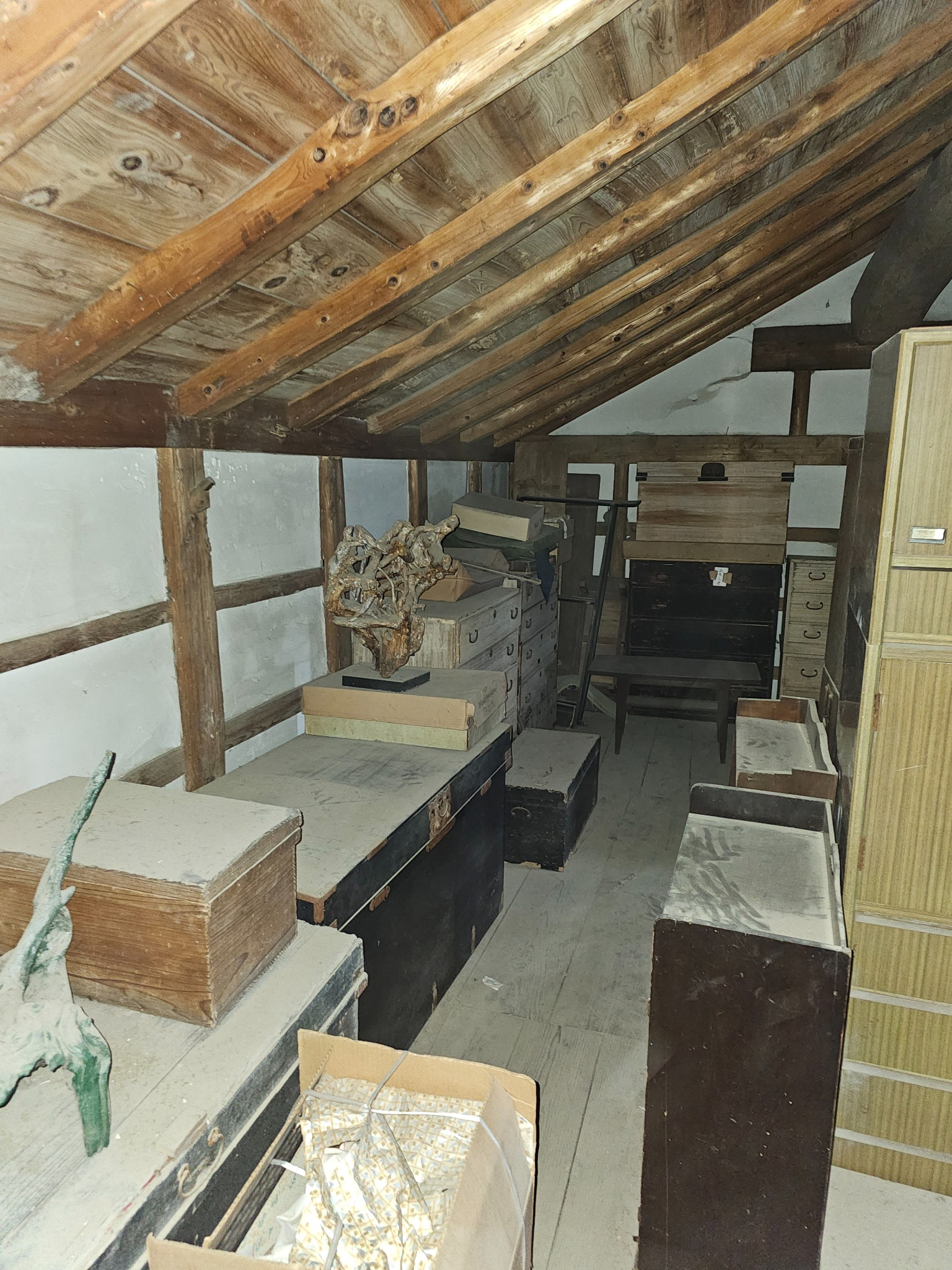
A kura is easy to admire when the danger has already passed. Thick plaster, dark timber, iron hardware, shadow, depth, and the quiet force of a structure that has survived into another century all make their impression on the modern eye. But that impression is secondary. A kura does not begin in admiration. It begins in necessity. Great-grandfather Sakai did not build against mood. He built against conditions. Snow. Damp. Fire. Mice. That is the real order of the chapter, and if we lose that order, the building becomes prettier than it is true.
The family in the present tense encountered the kura as discovery. They opened it from the side of emotion, burden, and inheritance. But the builder knew it from the side of material risk. He understood what the region did to anything left unprotected. He understood that weather is not an event but a system, that moisture is patient, that cold makes demands on wood and plaster, that a spark in the wrong place can turn accumulation into ash, and that creatures much smaller than a human hand can ruin what a household took years to gather.
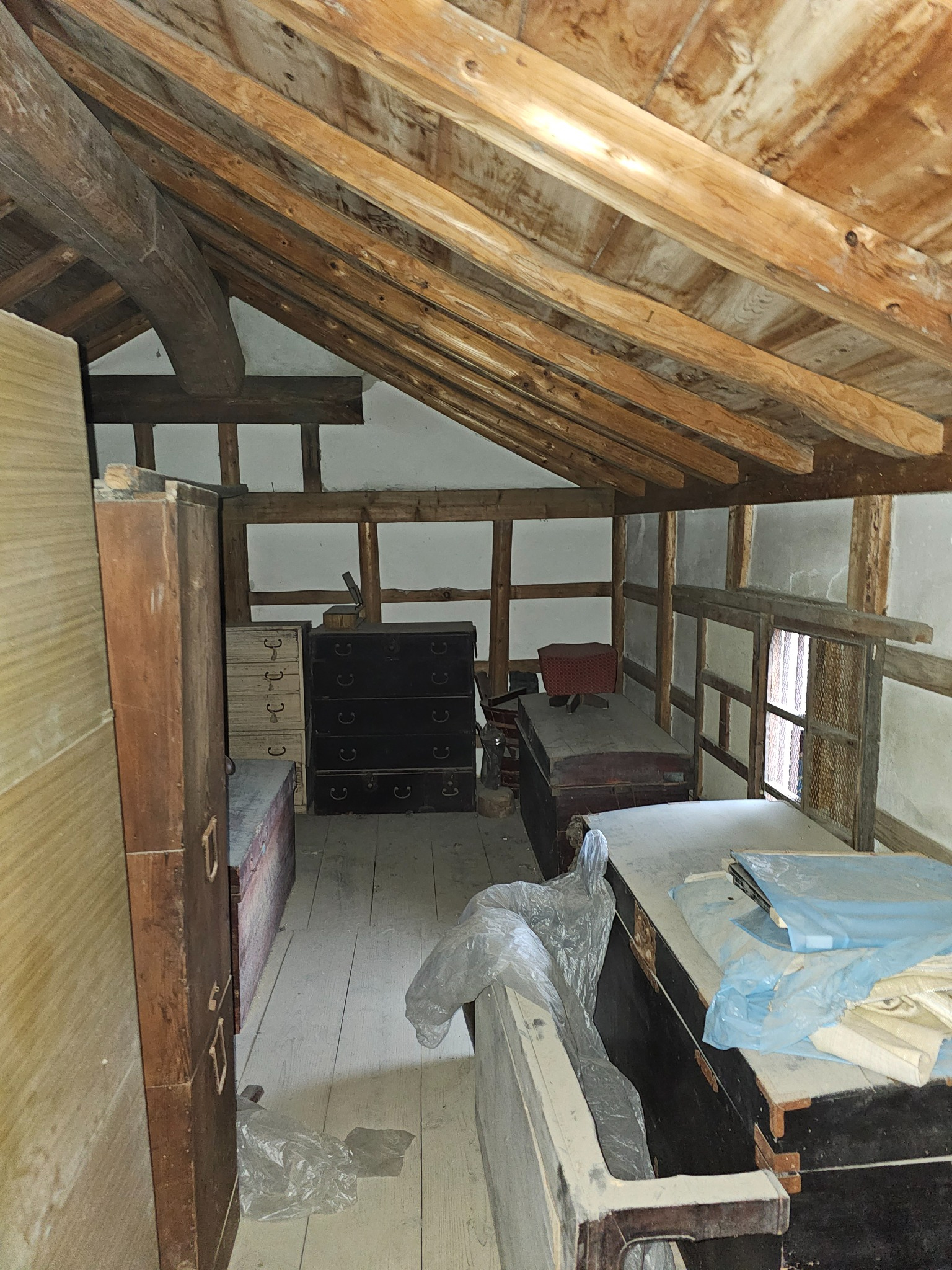
This is why the kura must be understood first as practical architecture. It is not a sentimental annex. It is not an ornamental leftover. It is a tool of survival enlarged into a building. Once we understand that, the emotional life of the structure becomes stronger, not weaker. The family is no longer standing before a picturesque old room. It is standing before a design made to outlast ordinary damage.
Before the kura became symbolic, it was necessary. Before it became moving, it was useful.
Snow
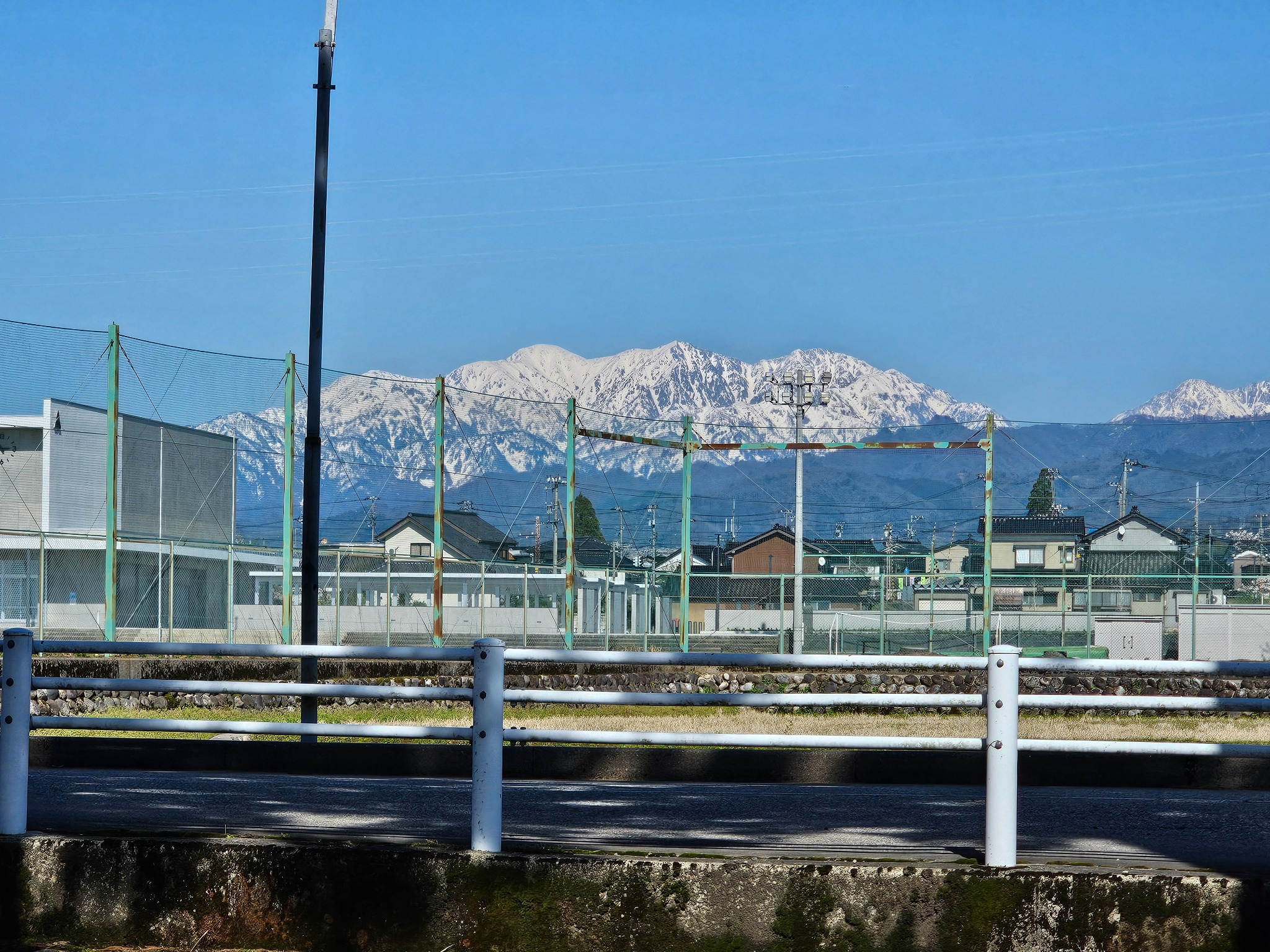
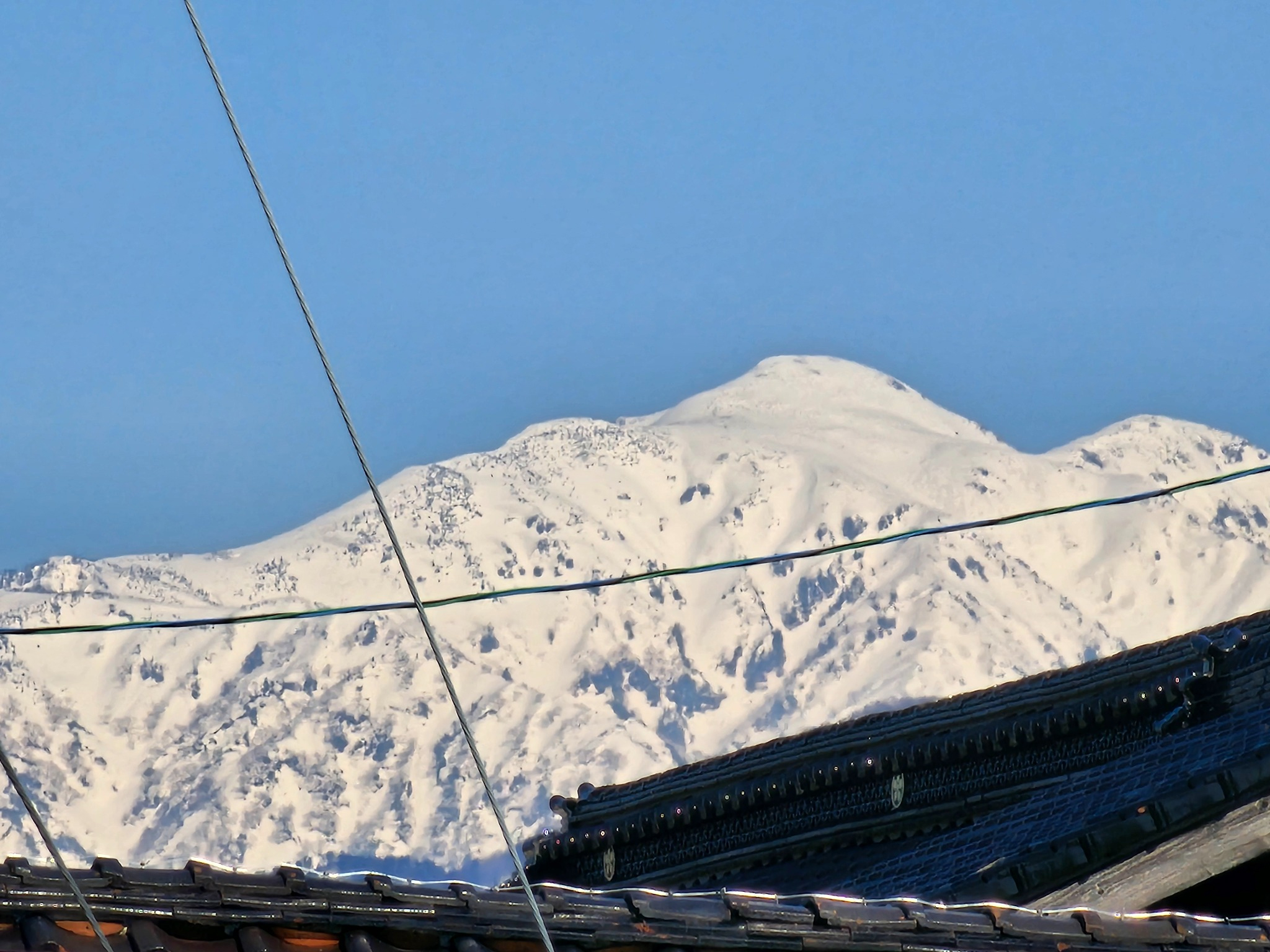
Snow is beautiful to people who can leave it outside the frame of labor. To a builder, snow is load, repetition, weight, cold, and the long lesson that roofs must be trusted because the sky cannot be negotiated with. In Toyama, snow is not a decorative surprise. It is part of the thinking. A structure meant to keep things through the year must stand beneath accumulation. It must endure the season not once, but over and over, with no promise that the winters ahead will be kinder than the winter just passed.
This matters because storage buildings are judged not by how they appear in spring, but by what they continue to protect after repeated strain. The kura takes snow as an argument that must already have been answered in the design. The thickness of wall, the seriousness of beam, the discipline of enclosed form—all of this belongs to a climate where one does not build as if the next season will be gentle.
Snow also teaches a subtler lesson: the house must have an interior of patience. When the world outside becomes heavier, the building must become calmer. That calm is part of what still reaches us now when we stand inside the kura. The modern visitor may call it atmosphere. The builder would have called it adequacy.
Damp
Damp is the more intimate enemy. Snow arrives from above and announces itself. Damp enters quietly. It rises, settles, lingers, and works without spectacle. Wood knows it. Paper knows it. Cloth knows it. Any stored object that must survive through seasons knows it. Moisture does not need to destroy everything at once in order to win. It only needs time and small access.
The kura is therefore not only a structure against obvious threats. It is also a structure against slow spoilage. The walls, the separation, the enclosed seriousness of the place, the spatial discipline that removes stored goods from the ordinary breathing of the main house—all of this belongs to a practical intelligence about what dampness can do. It is an intelligence too easy to forget in a time when climate control can be bought with switches and vents. But the builder had to solve for another world. He solved in thickness, distance, hardware, containment, and repetition of care.
This quiet war against dampness is one reason the kura feels morally impressive now. It was built for the kind of danger that does not flatter the eye. There is no romance in mildew, swelling wood, warped paper, and softened fiber. Yet to build against such damage is to honor the future in a concrete way. One says, in effect: what we keep here will not be left at the mercy of gradual ruin.
The present-day family, standing later among boxes, objects, and stored remnants, receives the emotional benefit of that decision. The builder never knew their names, their flights, their arguments, or their website. But he knew dampness. That was enough to leave them an answer more durable than sentiment.
Fire
Fire is the sudden enemy. Damp destroys by patience; fire destroys by decision. A household that stores meaningful things must always live with that knowledge. Flame rearranges value instantly. What was accumulated over decades can be returned to nothing in an hour.
This is why a kura carries a defensive seriousness that the main house does not quite carry in the same way. The house is for life in motion. The kura is for what must survive interruption. The family living in the present may not think in those terms every day, but the building still does. It still stands with the severity of a place that was built under the assumption that loss is always possible and must therefore be anticipated materially.
That anticipation is one of the hidden dignities of the structure. The builder did not merely gather goods. He gave them a second chance against catastrophe. The emotional power of the kura, felt generations later, depends partly on this simple fact: somebody once thought it worth building protection around what the household might otherwise lose.

Mice
Mice are the humbling enemy. Not grand, not dramatic, not philosophical. Small bodies, fast movements, hungry mouths, narrow entries. They remind the builder that a household does not lose things only to weather or flame or generational distance. It can lose them to persistence from below. A creature barely noticed in passing can undo stored order if enough care is not built around it.
To modern readers, “mice” may sound almost quaint beside snow and fire. It is not quaint. It belongs to the same realism. The builder knew that preservation fails through large and small breaches alike. The kura must answer not only the high drama of catastrophe, but the low drama of repeated intrusion. To protect a household well is to take seriously the things that seem too ordinary to symbolize.
This is part of what makes the ancestral voice in Book One so clarifying. Great-grandfather Sakai does not begin in abstraction. He begins with conditions. He brings the story back to a material world where prudence is visible in boards, walls, doors, weight, spacing, and closure. He rescues the family story from vagueness by reminding it that the building was made for reasons that can be touched.
The Kura as Necessary Truth
Once snow, damp, fire, and mice are restored to the story, the kura changes category. It is no longer merely picturesque endurance. It becomes necessary truth. The living can then stand inside it more honestly. They can see that what feels moving now once had the harder dignity of usefulness. The builder was not preserving a mood. He was preserving a household against the world.
This matters for the family in the present because it changes the emotional grammar of the old home. Burden begins to share space with respect. Fatigue begins to share space with recognition. The house is no longer only the place where obligations accumulated badly. It is also the place where someone once acted with foresight and material intelligence on behalf of people not yet born. That does not solve the present. But it steadies it.
The modern argument, taken by itself, is too small for the depth of feeling the house produces. Snow, damp, fire, and mice enlarge the frame properly. They remind everyone that one part of this family problem is not a family problem at all. It is the ancient fact that the world damages what is left out. The kura exists because someone knew that and built accordingly.
That is the builder’s gift to the present: not a solution, but proportion.
Before Place, Condition
And yet one more step is needed. We now understand the builder’s practical mind, but the structure did not stand in abstract climate alone. It stood in Hanasaki. It stood among roads, fields, station rhythms, shrine markers, neighborhood scale, and mountain weather. The next chapter must restore that world. The house cannot yet become property. It must first become place.
Only then will the family’s later burden be seen in full proportion. The old home did not survive in generic countryside. It survived in a particular geography of return. To walk toward it, to see the roads, the mirror, the fields, the station, the line of the mountain, is to understand that inheritance here is not just legal or emotional. It is local. It has a ground under it.
This chapter closes with material truth. Snow, damp, fire, and mice are not poetic devices. They are the original enemies. The kura was their answer. The family, much later, inherits not only the structure, but the seriousness of that answer.
Before the kura became beautiful, it had to be adequate.
Before it became memory, it had to hold.