Opening the Door
For a long time the house had been forced to speak from its edge: road, frontage, grass, weather, silence, and the visible strain of a place no longer carried by daily life. Then the family reached the threshold. A hand met old iron. The door moved. After that, the house could no longer be read only from outside.
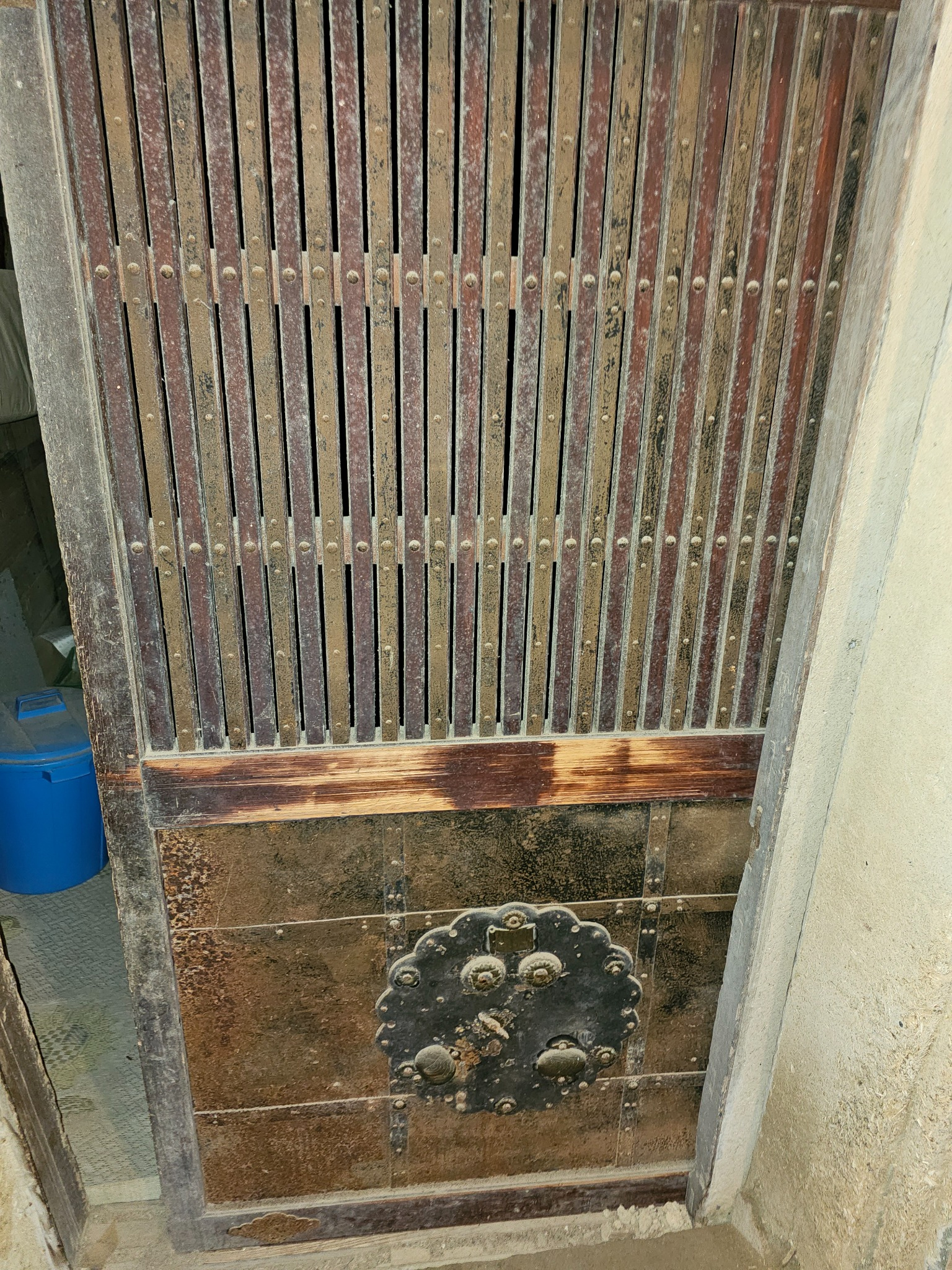
A hand on old hardware can reduce a family’s noise more quickly than any argument. Outside, the house had already accumulated years of interpretation. Grass had become evidence. The road had become a witness. Delay had taken on moral shape. Everyone had learned to stand before the place with a different pressure in the body. Yet none of that pressure could open the door by itself. At the threshold, theory weakened. The hand had to become practical. Iron first. Then wood. Then resistance. Then the slight give of something that had held for a long time and was now willing, finally, to move.
The door did not swing open into explanation. It opened into another tempo. Cool air, old timber, dimness, depth. The body recognized the change before language caught up. Outside, everything had been too exposed. Inside, nothing was eager. The room did not rush to justify itself. It did not apologize for the years. It did not answer the road in the road’s blunt vocabulary. It simply stood there in its own climate, holding back the next layer of truth until the family slowed enough to receive it properly.
The road had spoken first.
Inside, the house began answering in another language.
That change in language is what the threshold carried. On one side, visible burden. On the other, preserved interior. On one side, the house as public reading. On the other, the house as held sequence. A door can be small in wood and metal and enormous in consequence. Families cross that kind of distance in one step and still spend years understanding what the step had changed.
The Threshold
Thresholds are often mistaken for lines. They are more like compressions. Everything outside presses against them at once: embarrassment, fatigue, duty, delay, the long outward argument of frontage and neglect. Everything inside waits under another rule: storage, weather resisted, time contained, order withheld until the right moment. The family arrived carrying the first kind of knowledge. The doorway admitted them into the second.
What had seemed from the road like one more old family problem could not keep the same proportions once the body crossed inward. The threshold narrowed the noise of explanation and widened the scale of witness. A house judged from its edge is one thing. A room entered with care is another. The difference is not sentimental. It is physical. Air changes. Sound changes. Pace changes. Even the eyes must wait.
That waiting matters. The family had already lived too long at the level of quick visible verdicts. The threshold refused quickness. It required pause. It required a body willing to let the room set the terms.
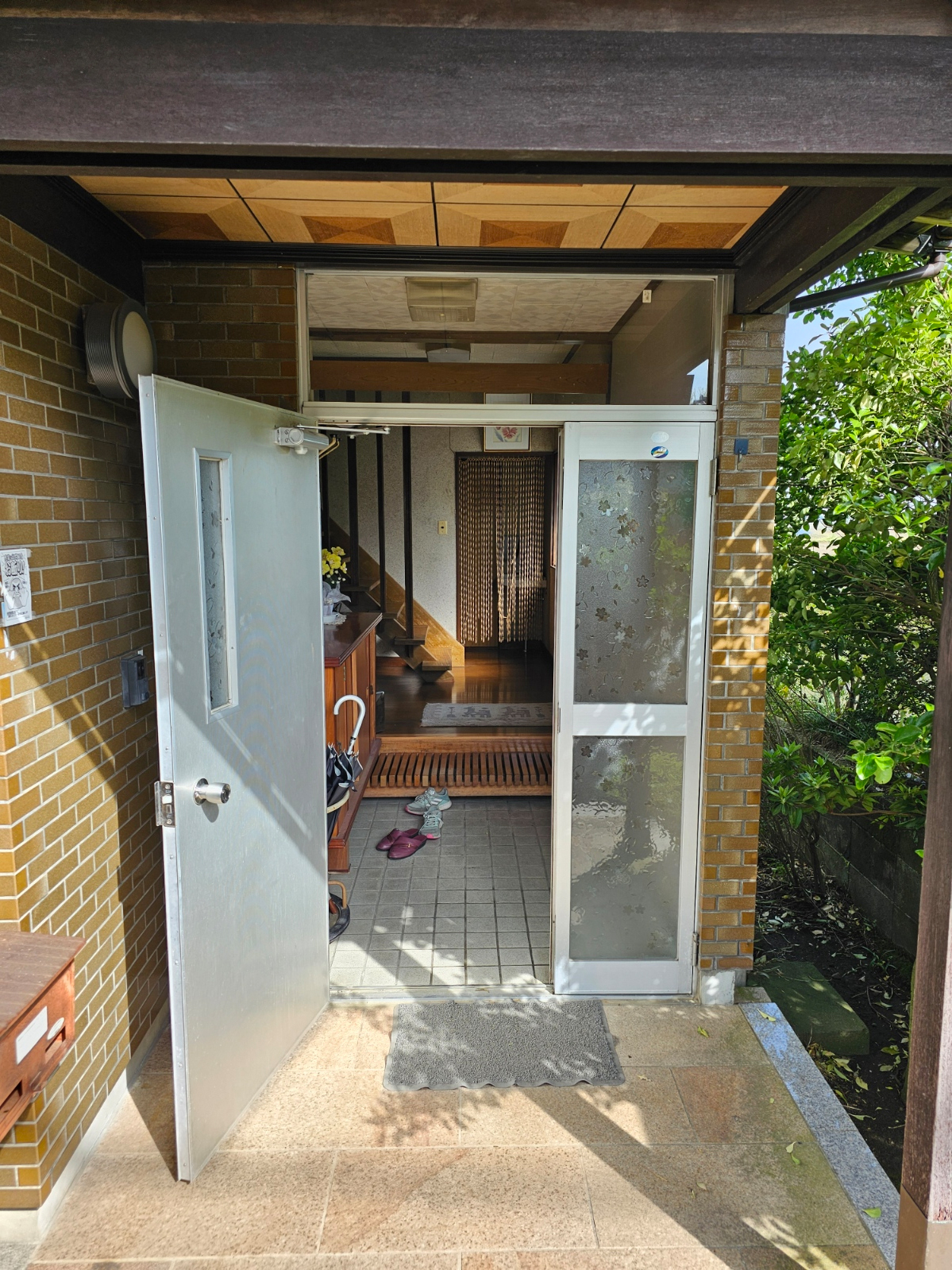
The First Interior Breath
People imagine discovery as brightness because they want revelation to be easy. The family did not step into brightness here. They stepped into a measured dark. It was not the darkness of abandonment. It was the darkness of containment, of a room built to hold against weather and waste. The air inside did not feel stale in the lazy sense. It felt disciplined. The room had been doing its work without witnesses for years.
That first breath inside rearranged the entire scale of the house. Boxes no longer looked like generic stored matter. Shelves no longer looked like leftover furniture. Even the shadow had order to it. The eye could not take everything at once, which was precisely the point. The room did not surrender itself to the family’s speed. It asked the family to adopt its own.
This is how the house began breaking the old surface verdicts without arguing against them. Grass had not lied. Roadside strain had not lied. Fatigue had not lied. But none of those truths had reached this depth yet. Inside, the family met not contradiction, but enlargement. The house had been larger than its visible symptoms all along.
Beams and Weight
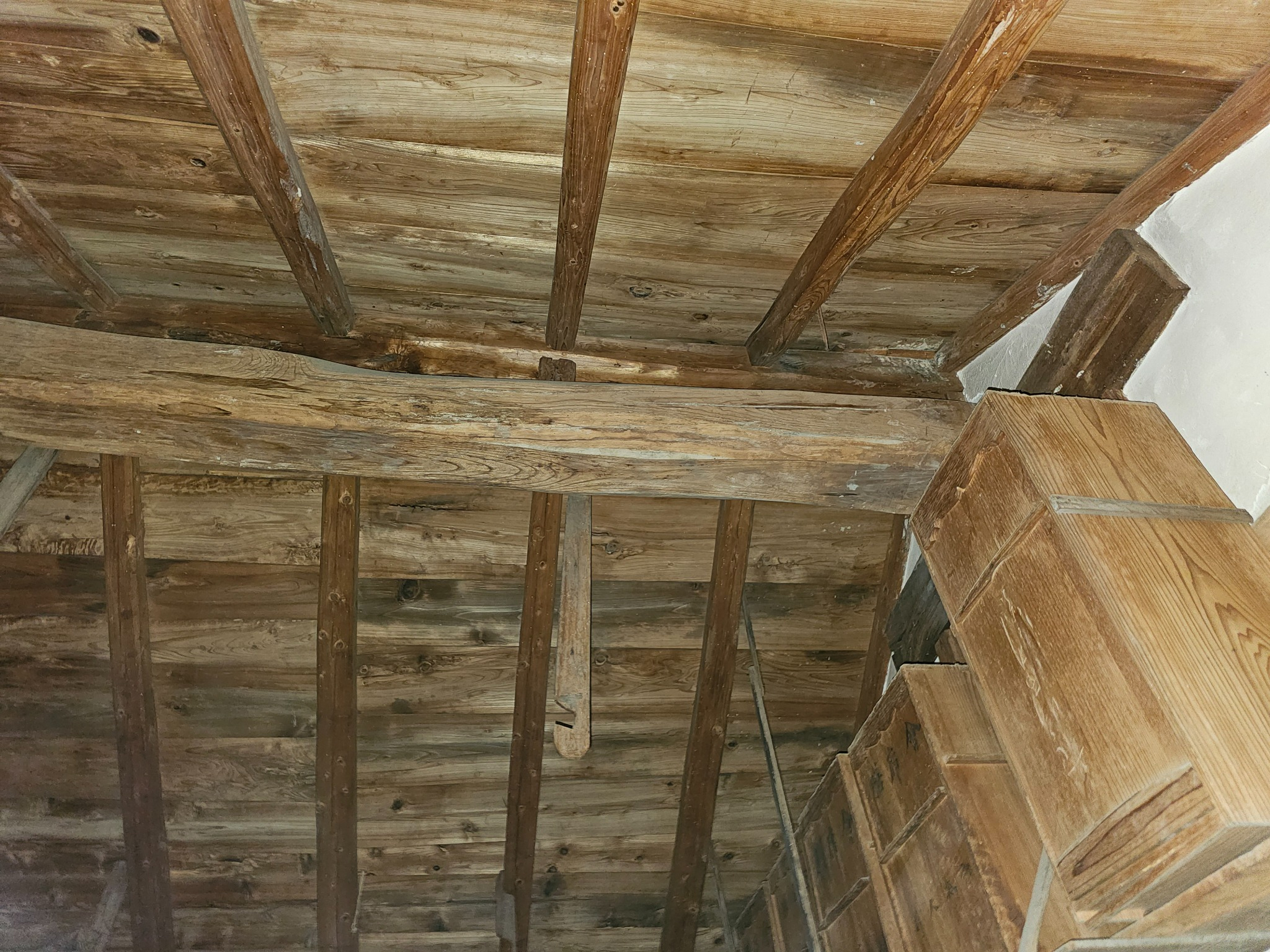
The beams made that enlargement unmistakable. A beam is not mood. It is thought made load-bearing. It reveals a mind that expected weight and answered it in structure. In a story crowded with divided feeling, the beams offered the family something steadier than feeling: the builder’s intelligence still present overhead, still holding.
The room did not need to declare its intention. It was visible in the way the weight had been solved. Timber, span, enclosure, and stored order did what no family argument could do. They made the older purpose of the house legible without reducing it to a lecture. The beams did not argue. They made argument look smaller.
That is one of the first consolations of entering a room built by discipline. It gives the family a chance to stand beneath something that was decided before their present confusion began.
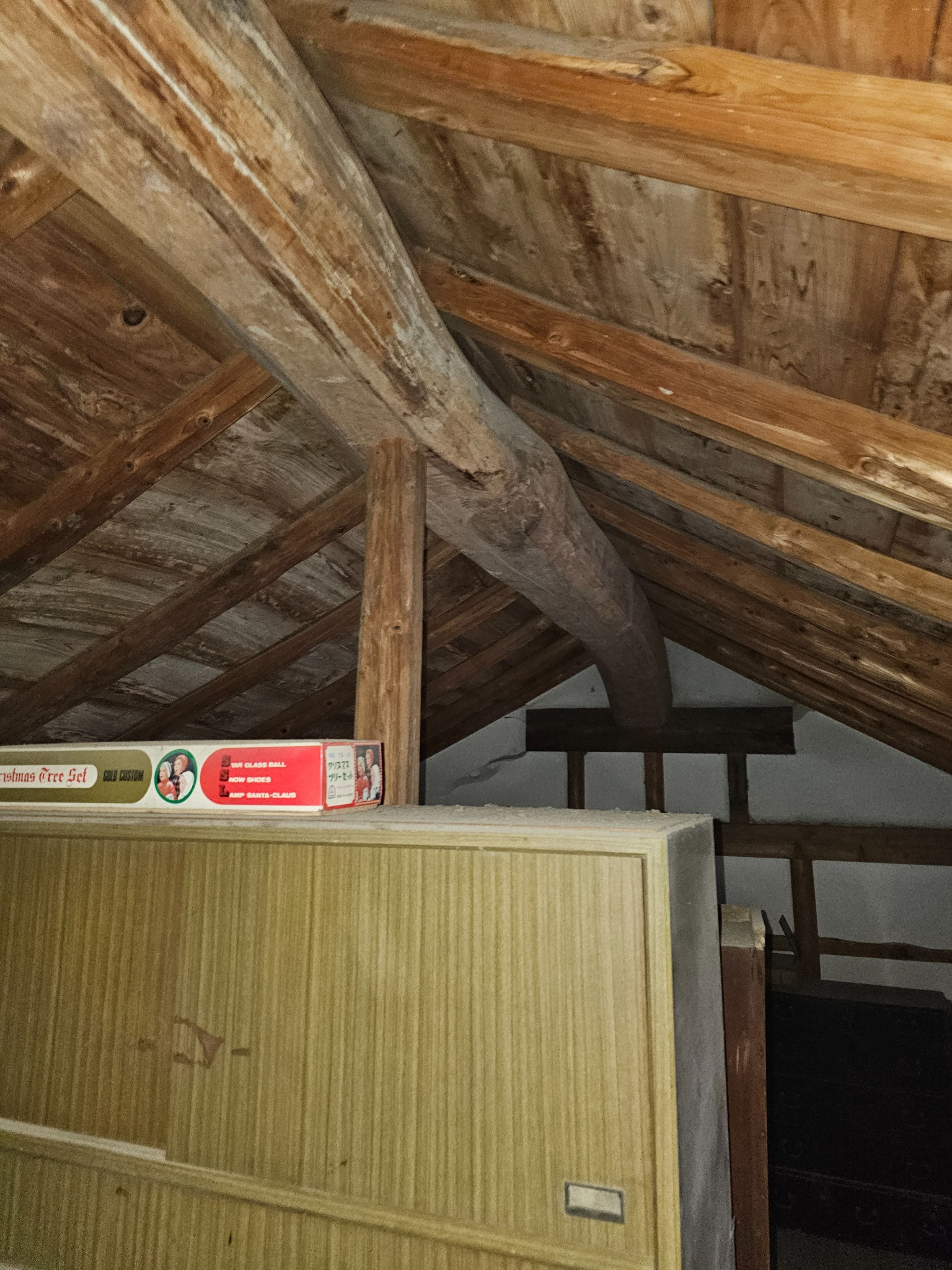
Boxes in Shadow
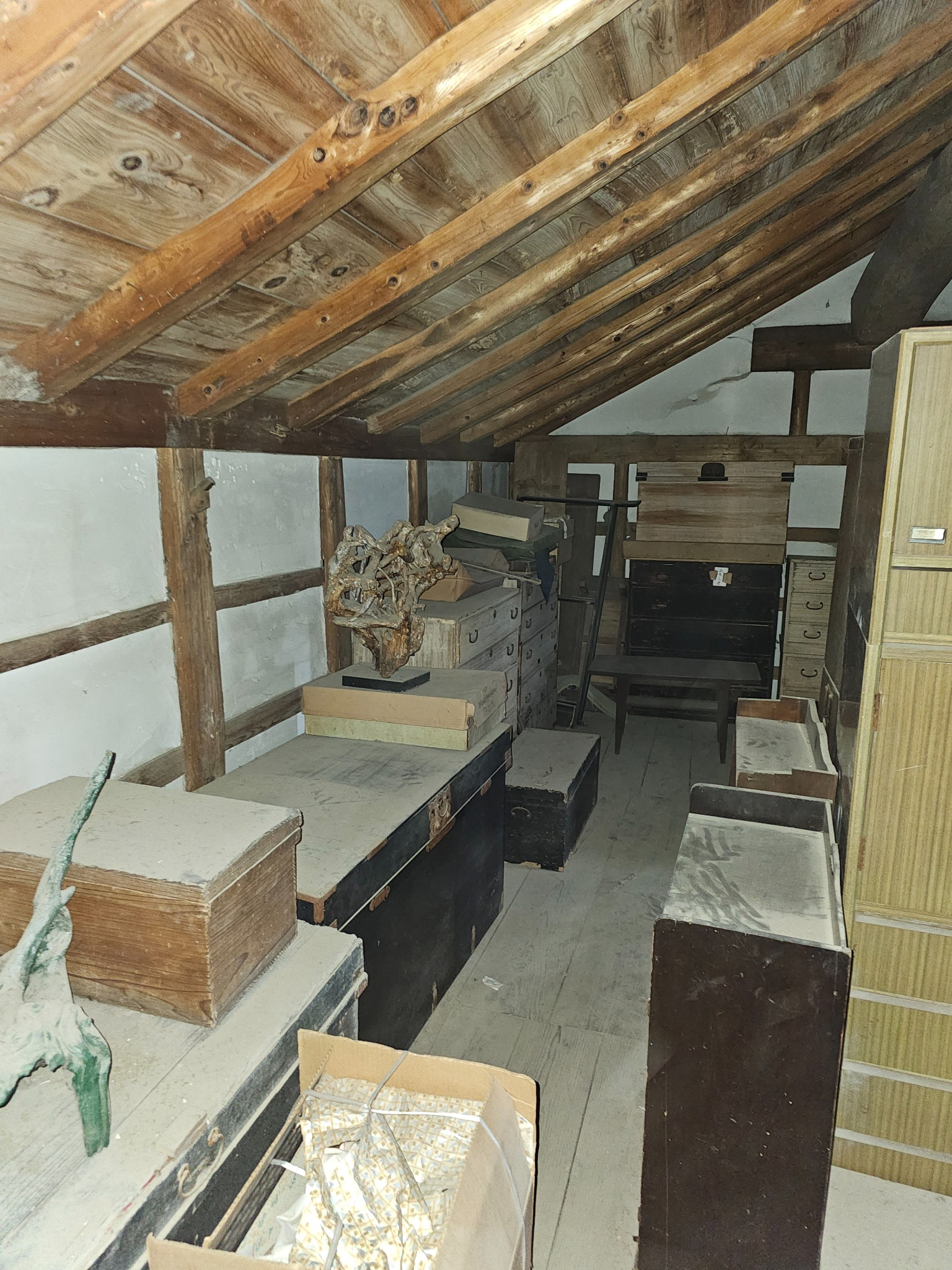
The boxes waited in shadow like sentences not yet spoken aloud. It would have been too soon to call them treasure. Too soon to call them archive in the full sense. What mattered first was their collective force. They proved that the room had been keeping more than the family’s exterior reading had been able to imagine. Storage here did not look accidental. It looked deferred.
Deferred is a different thing from forgotten. Forgotten things loosen. These had held their places. Even in dimness, the family could feel sequence in them. A box in shadow says not only that something is here, but that its time has not yet come all at once. The room was teaching the family how to approach it: patiently, in order, without the appetite for instant total meaning that the road outside had encouraged.
The boxes therefore altered the family’s sense of the house before any one lid had fully opened. The house was no longer merely a problem with an older interior. It had become a place that had kept its interior under discipline, waiting for witness strong enough to arrive in the right sequence.
The Room After the Door
After the threshold, the older simplification could not survive intact. The house could still be burden. It could still be fatigue, delay, and visible strain. But it could not remain only those things. The dark room had already widened the sentence. It had offered preserved order, builder’s intention, and the first proof that the visible edge had been speaking from too shallow a depth.
Yet the room did not finish its own revelation. It answered in outline, not in complete vocabulary. Shelves still waited. Boxes still held back their contents. Objects had not yet taken on names. The family had crossed the threshold, but the house had only begun to speak in full.
The hand had touched iron. The door had moved. The room had answered. One step farther in, the shelves were waiting.
The edge had spoken first.
Then the room answered.
After that, the house could no longer remain merely surface.